
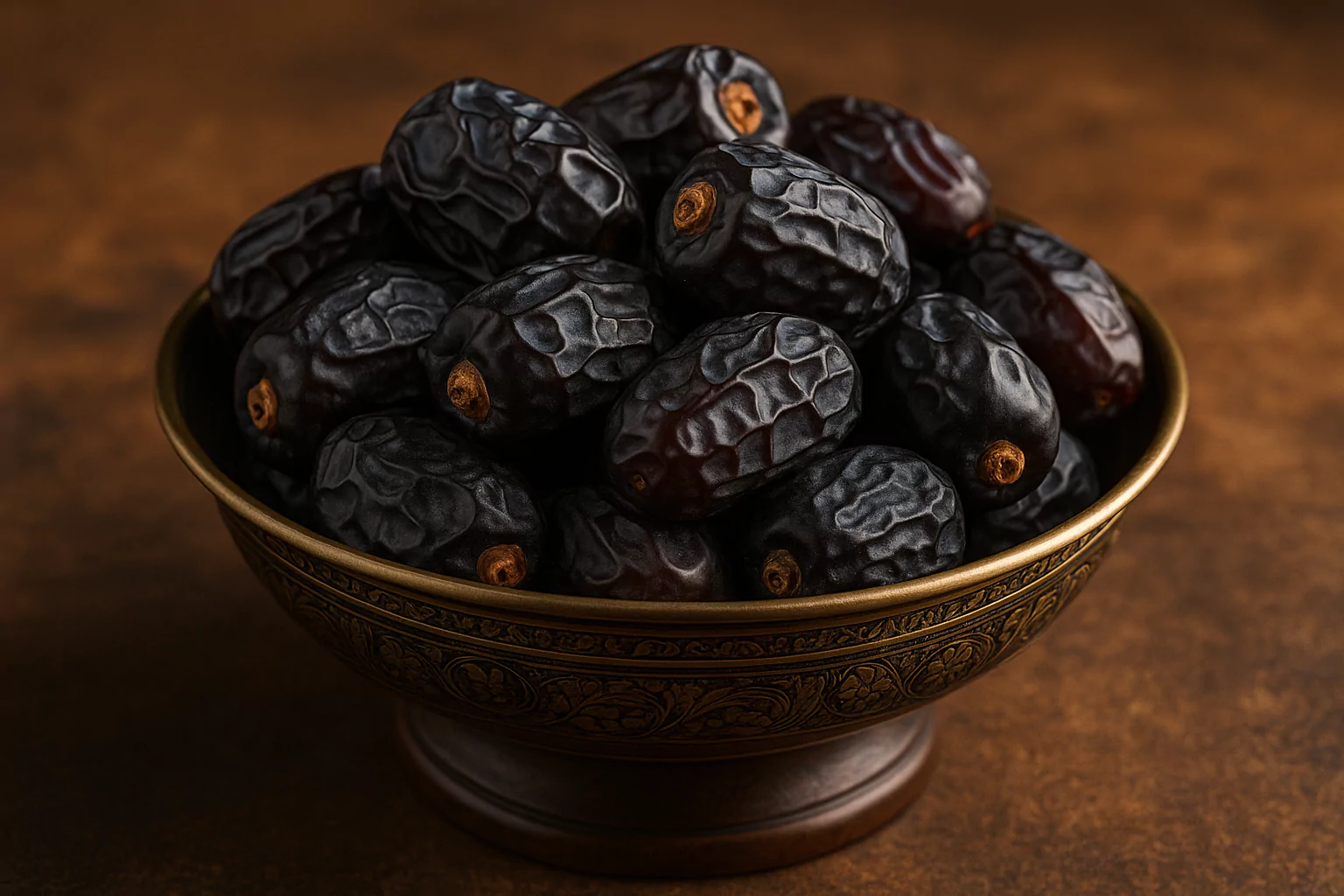
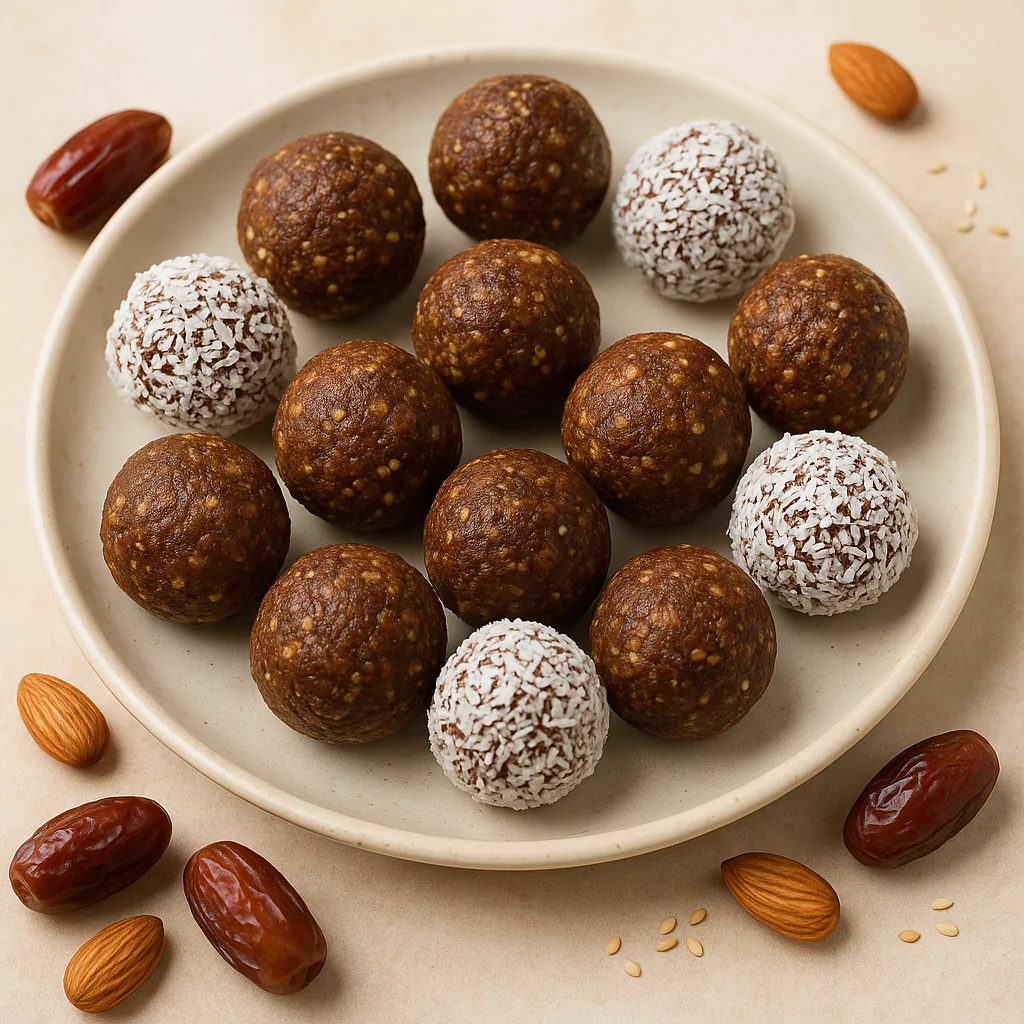

Dates are enjoyed in homes around the world. People eat them for energy, taste, and tradition. In Saudi Arabia, they are part of daily life. Most people are discovering them as a natural snack. This fruit connects cultures through flavor, history, and health.
Why Dates Are Valued Worldwide?
Families in Saudi Arabia serve dates to guests and enjoy them with Arabic coffee. People in the United States often add them to salads, smoothies, and healthy snacks. During Ramadan, they become a daily part of evening meals. Many travelers buy them as gifts when visiting Madinah or other historic areas. Their rise in global kitchens shows how they fit both tradition and modern life.
Dates are called the “fruit of life” because they do so much for us:
- Give quick and lasting energy.
- Help in digestion with natural fiber.
- Keep the heart strong with minerals like potassium and magnesium.
- Support the body with iron, calcium, and vitamins.
For thousands of years, they have been part of our traditions, celebrations, and daily meals. No wonder they are loved in every home.
Where Dates Come From
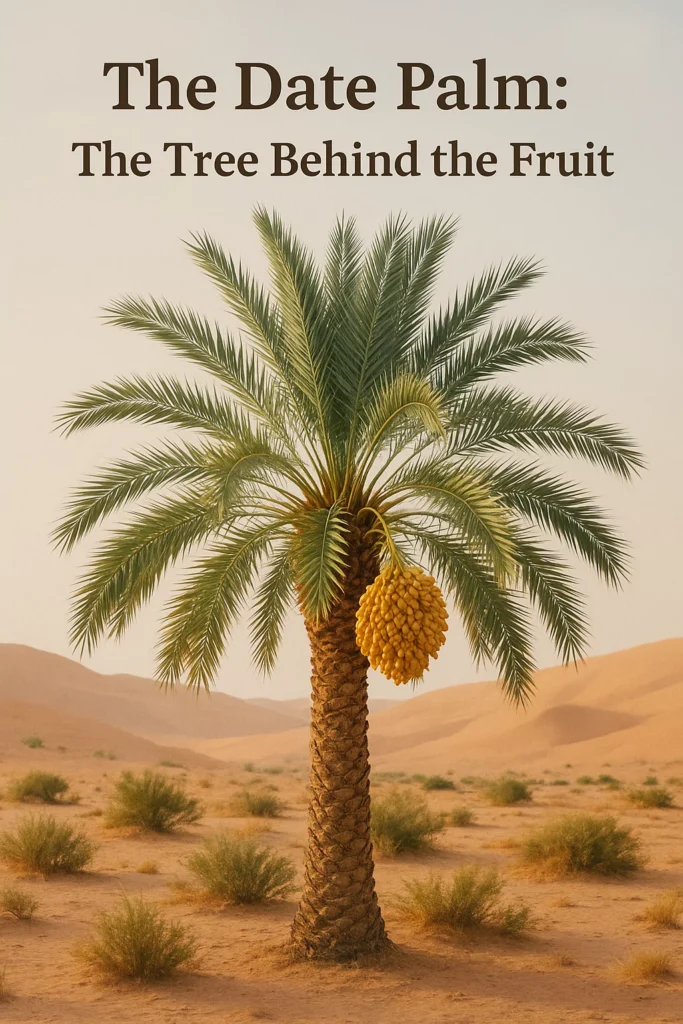
Dates grow on the date palm, a tree known for thriving in warm, dry climates. They develop slowly under the sun until soft and sweet. Farms across regions like Madinah and Qassim in Saudi Arabia produce well-known varieties. Other regions across the world grow them too, but the Arabian climate shapes some of the most prized types. This background helps people understand what makes each date unique.
Popular Varieties You Should Know
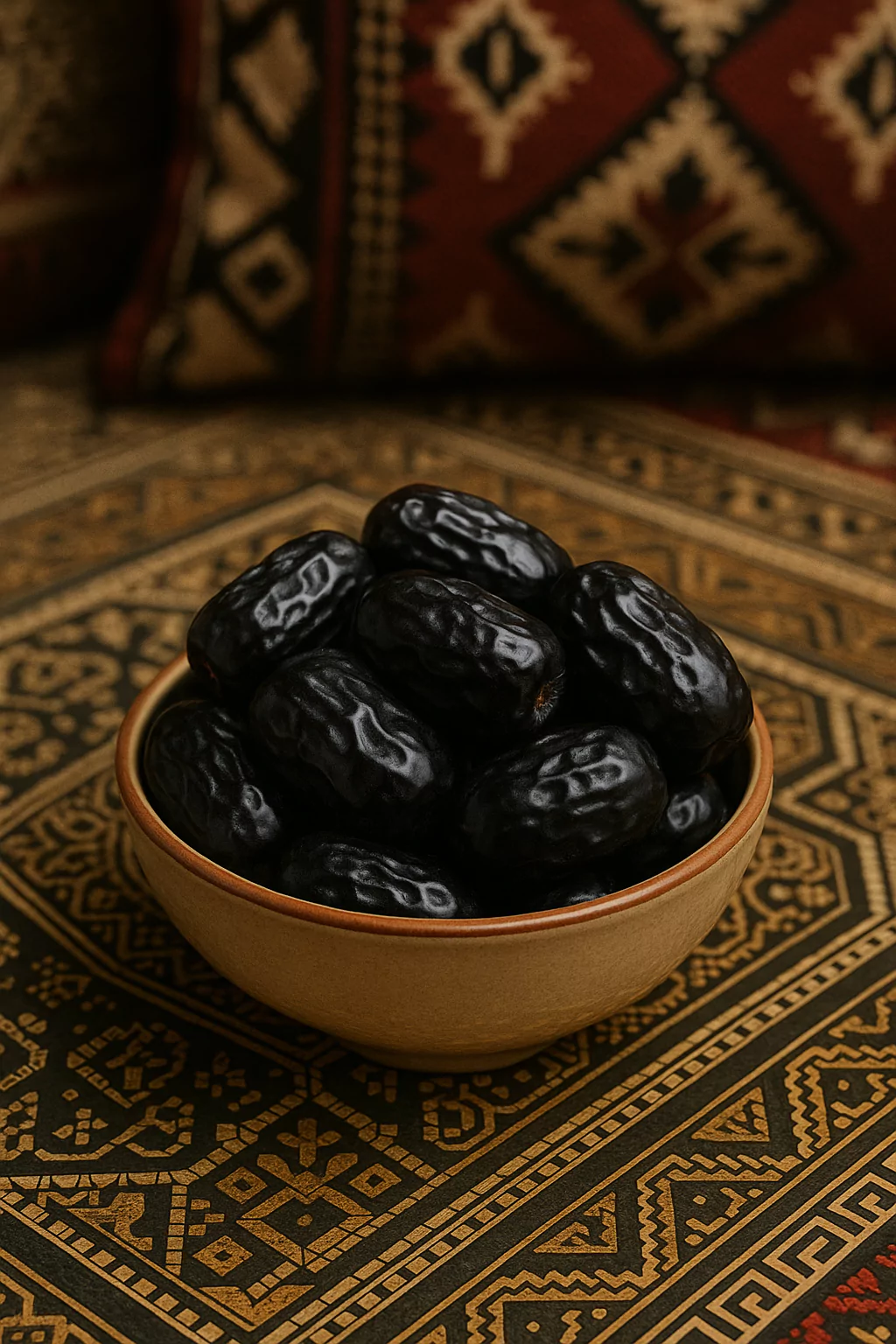
Different varieties offer different tastes. Ajwa is known for its rich flavor and historical roots near the Prophet’s Mosque in Madinah. Medjool is soft and caramel-like, and is popular in both the Middle East and the United States. Sukkari is naturally sweet and crisp. Safawi and Mabroom are firm and balanced. Understanding these types helps you choose the right one for daily eating, gifting, or cooking anywhere in the world.
From Farms to Homes Around the World
Harvesting dates takes skill and care. Farmers in Madinah watch each tree through the season. Workers pick fruits by hand to protect the soft skin. These harvests travel through local and international markets until they reach homes across Saudi Arabia, the United States, and beyond. This journey reflects the dedication behind every box.
Uses of Dates Beyond the Fruit
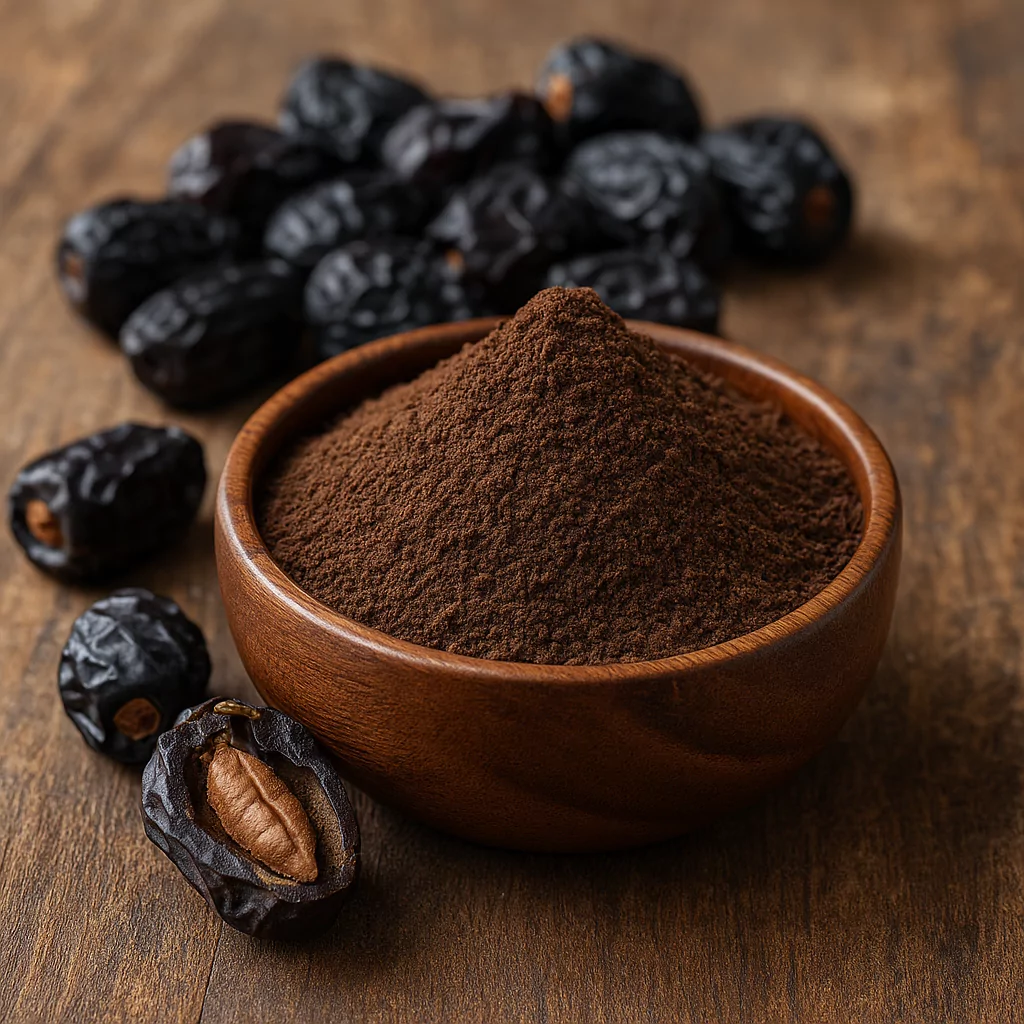
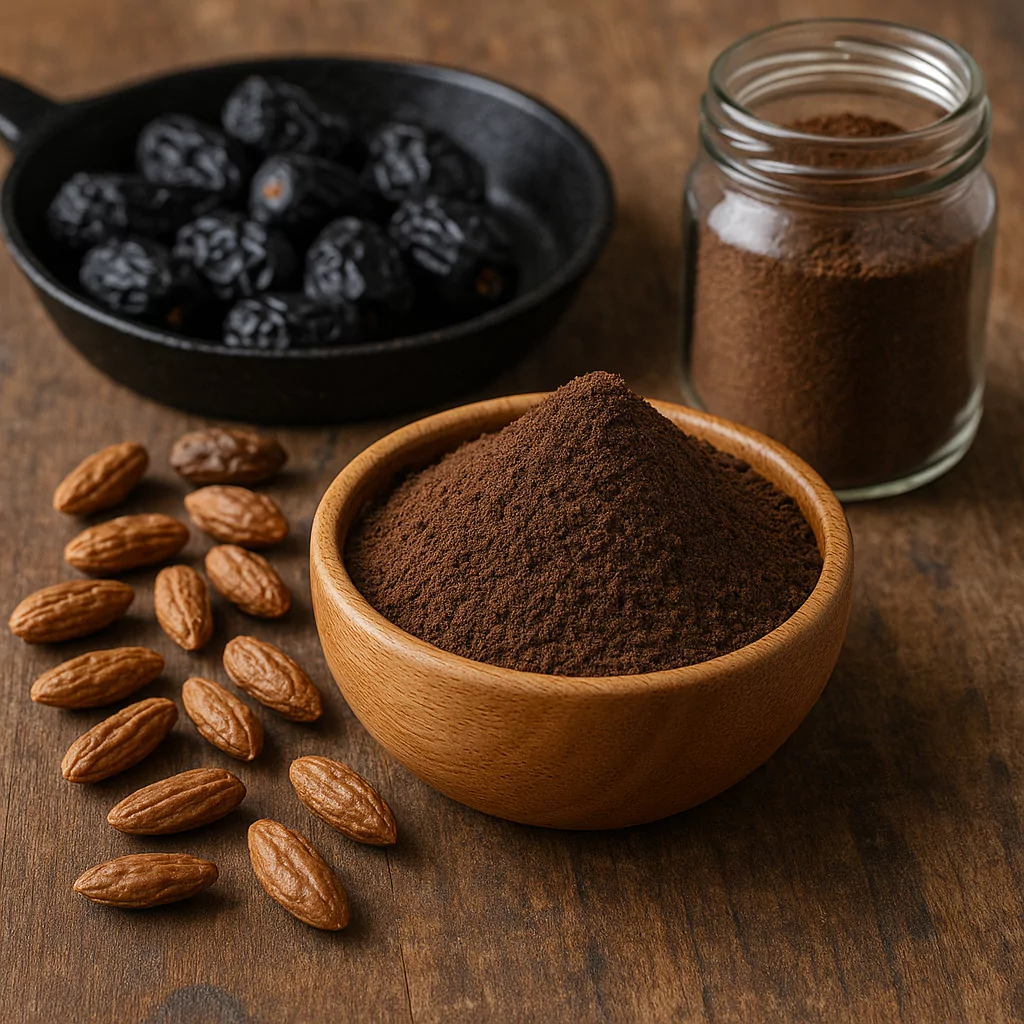
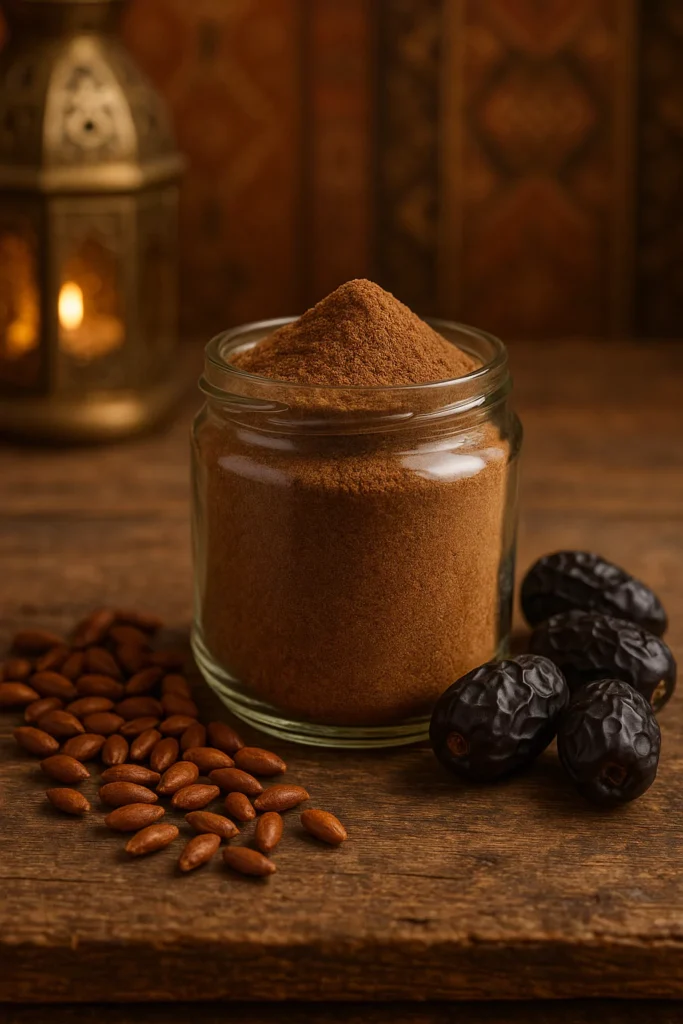
It’s not only this fruit that has value, but date seeds and date palm sap are also beneficial. Date seeds can be milled into flour, which is used in animal feed or even processed into coffee additives. Date palm sap is collected to make a sweet and sugary liquid used in traditional drinks as a natural sweetener.

Possible Sensitivities
Dates suit most people. Some may experience mild reactions if sensitive to certain fruits. This is uncommon. Anyone who feels discomfort should talk to a doctor to check for allergies.
Health Support Backed by Research
Dates provide fiber, steady natural sweetness, and essential minerals like potassium and magnesium. Studies published in nutrition journals explain how they contain plant compounds that support the body. People who look for natural foods enjoy how dates provide energy without heavy processing. The fiber helps digestion. The natural sugars support steady activity.
Natural Energy for Busy Days
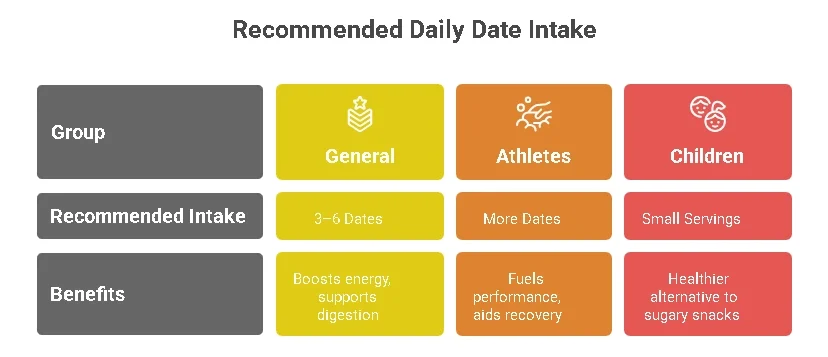
Dates work well as a quick snack. Some research explores how dates may support heart and brain wellness. Students take them to school. Office workers keep them at their desks for mid-day fuel. Drivers on long routes in Saudi Arabia often keep a small box in the car. Their natural sweetness and fiber help maintain steady focus through the day.
How Dates Affect Blood Sugar
People often ask how dates influence blood sugar. Research shows that the fiber in dates slows the rise in levels after eating. Studies note that dates have a moderate impact when eaten in the right amounts. This makes them a reasonable option for many people looking to maintain steady energy. Anyone with medical needs should seek advice from their doctor.
Dates and Pregnancy
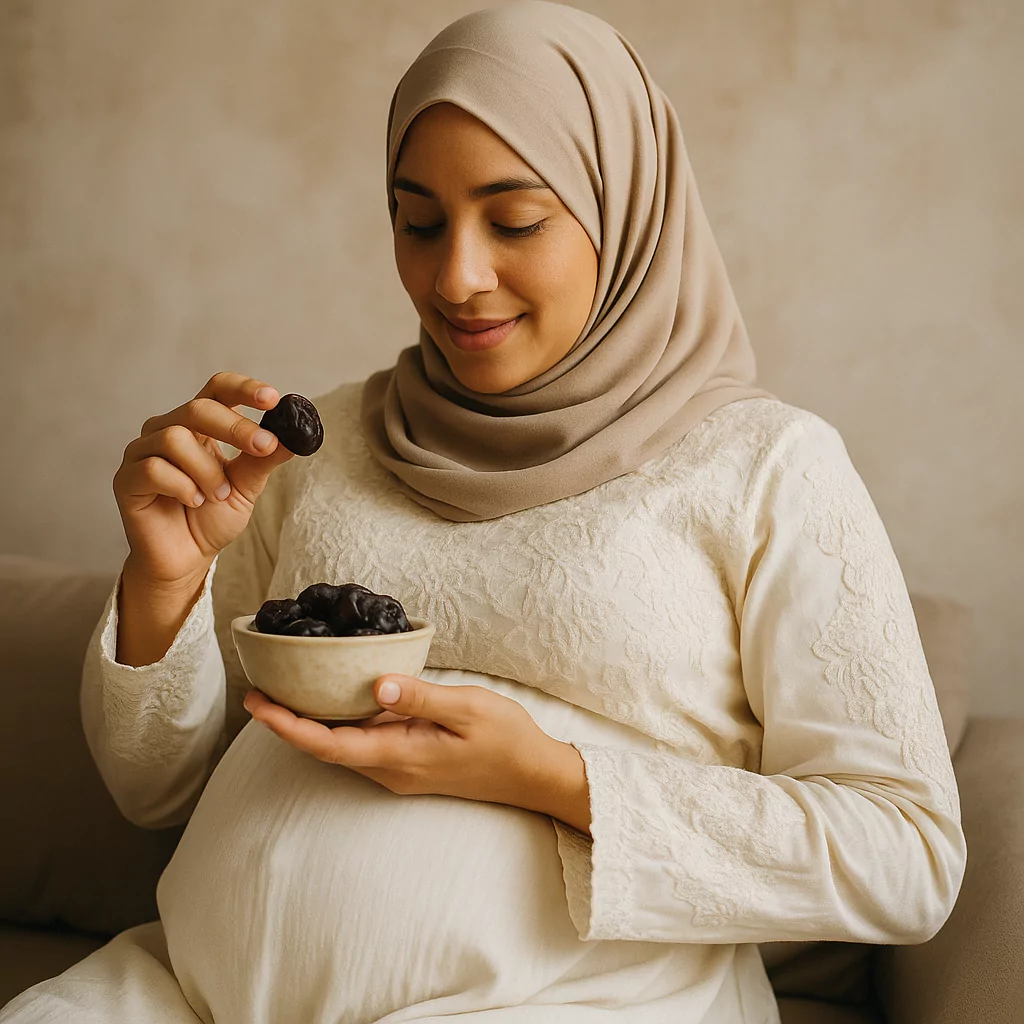
Many expecting mothers include dates in their meals. Research in maternal health journals has studied how dates may support the body in the later stages of pregnancy. They offer steady energy and fiber, which can help with digestion. Some studies have explored their possible role in natural labor. Women should follow their doctor’s guidance when adding them to their routine.
Nutrition in Simple Terms
Dates contain fiber, natural sugars, potassium, calcium, and small amounts of other minerals. These nutrients support digestion and daily activity. Soft varieties are often enjoyed as snacks. Firmer types offer longer-lasting energy. People around the world enjoy a few pieces each day as part of a balanced diet.
Cultural and Spiritual Value
Dates hold a meaningful place in Islamic tradition. Many families break their fast with them during Ramadan. Visitors to Madinah often buy Ajwa from well-known markets near historic areas. People outside the Middle East enjoy learning about this heritage and the role dates play in faith and community. This background adds depth to their everyday use.
Explore Ajwa Dates Insights
Top Benefits of Ajwa Dates You Should Know About
Discover the amazing health perks of Ajwa dates—from boosting energy and heart health to aiding digestion and glowing skin. Backed…Discover the Benefits of Ajwa Dates for Women
Ajwa dates are a natural friend for women, helping with energy, fertility, skin glow, weight management, and easing menopause. Simple…Top Ajwa Dates Benefits for Men
Ajwa dates are more than just a sweet fruit; they are a natural gift for men’s health. From boosting stamina,…Top Ajwa Seed Powder Benefits
Ajwa seed powder is a natural Sunnah remedy made from the seeds of Ajwa dates. Rich in fiber, antioxidants, and…
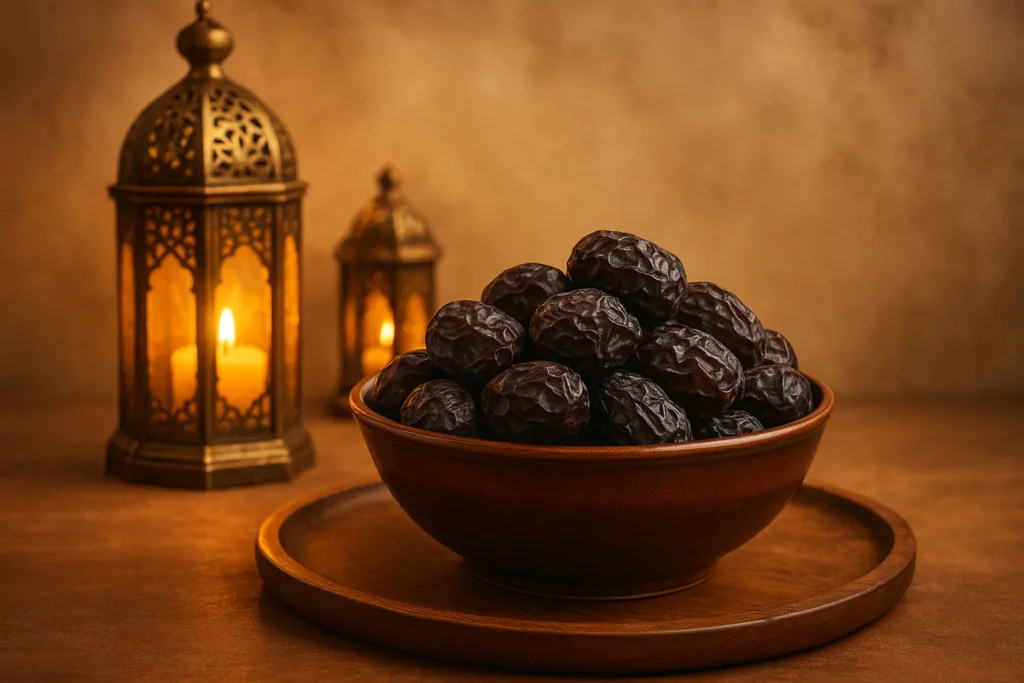
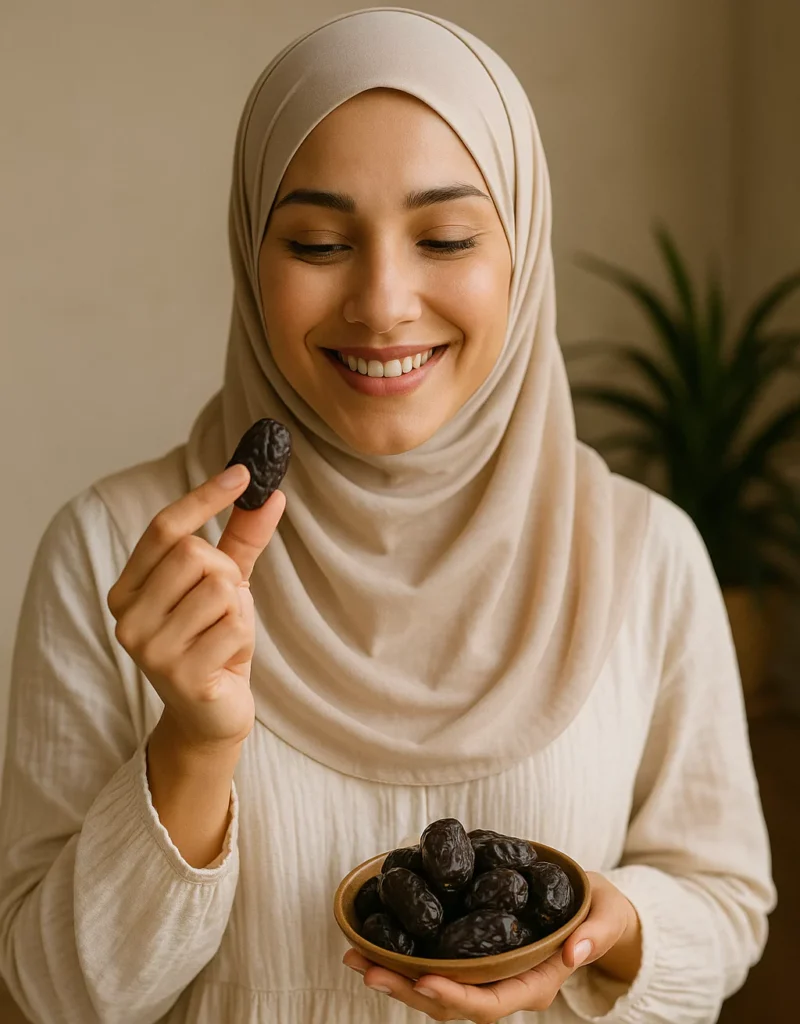

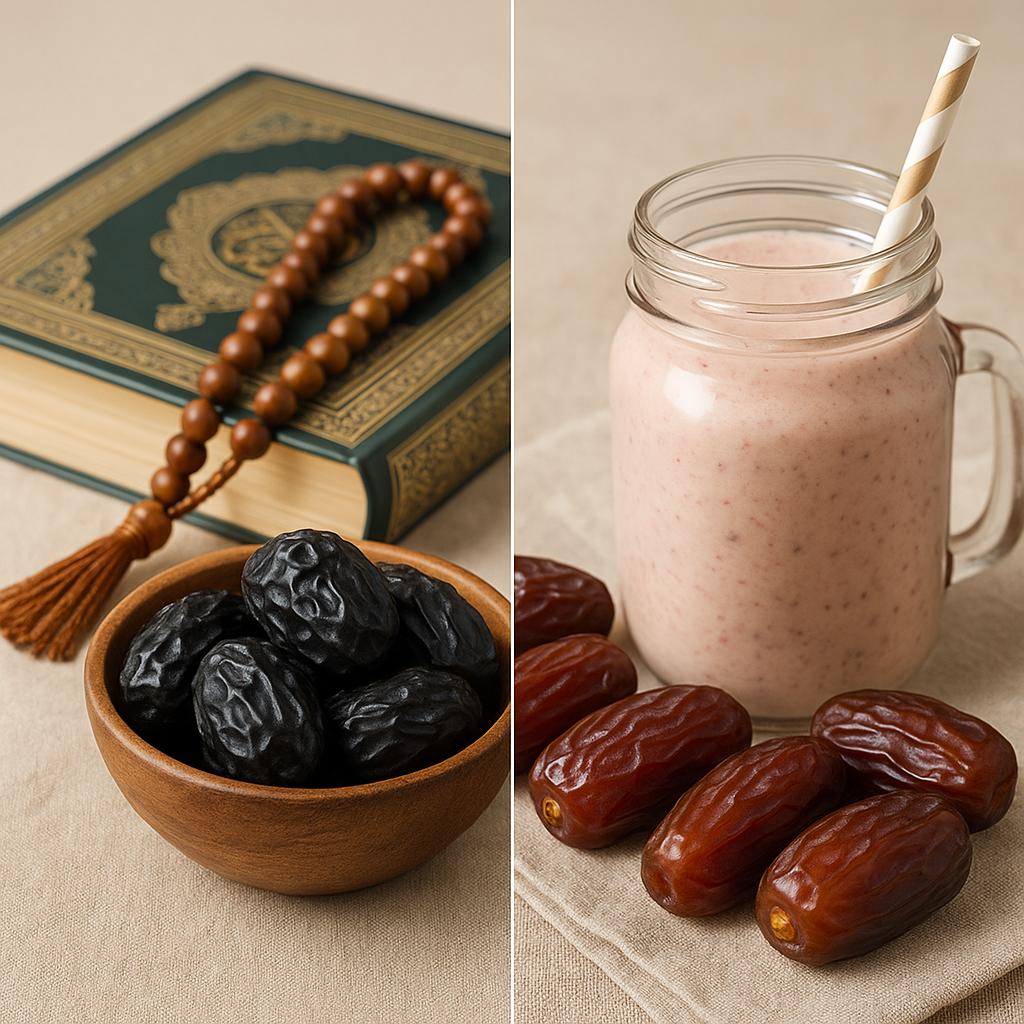
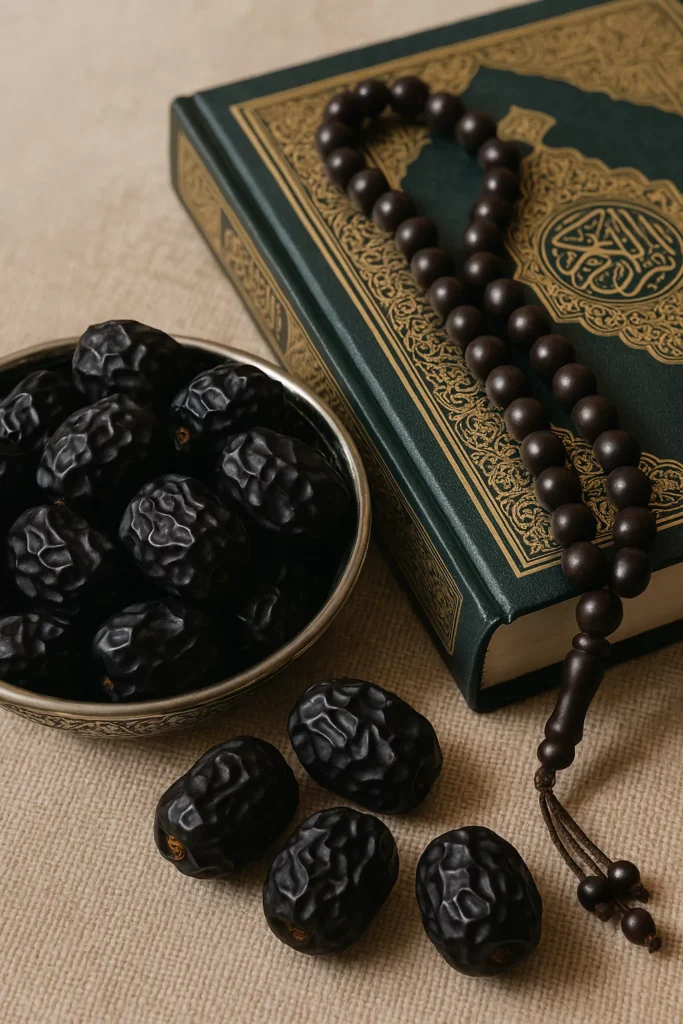


Dates are more than just a sweet bite. They are history, culture, health, and love — all wrapped in one small fruit.
So, let’s explore together how dates can bring sweetness, strength, and wellness into your life.